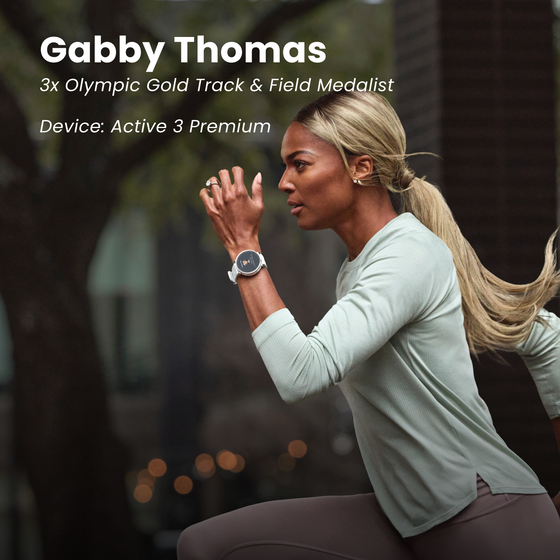

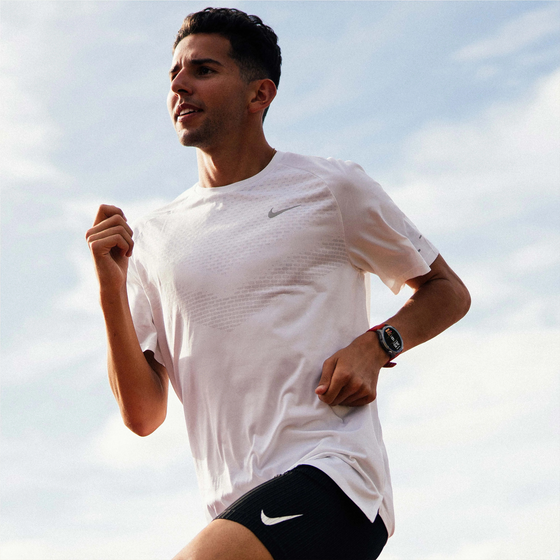










Amazfit sat down with Gabby Thomas to discuss pushing beyond her comfort zone, finding a competitive edge through data, and creating a future where the next generation of women can see themselves in sport.

Gabby Thomas has never been one to settle.
A three-time Olympic gold medalist and five-time Olympic medalist, Thomas has established herself as one of the most accomplished sprinters of her generation. At the Paris 2024 Olympic Games, she won gold in the 200m, 4x100m relay, and 4x400m relay, cementing her status in US and global track & field history. Beyond the track, she holds a degree in neurobiology and global health from Harvard University and a master's degree in epidemiology.
For Thomas, success has never been solely about the medals; it's about the process of becoming a better athlete, a better human, understanding what makes her different, and using her platform to create opportunities for the women who come next. As an Amazfit athlete, Thomas brings that same intentional approach to her training and recovery, using wearable technology and performance data to better understand her body and find the small advantages that can make a meaningful difference, which oftentimes translates to fractions of a second on the world's biggest stage.
What makes Gabby Thomas successful? Read below to see how you can take advantage of key pieces of wisdom from her that everyone can take advantage of, regardless of experience or ability.
To Become A Better Athlete, You Have To Be Willing To Reinvent Yourself
Gabby is known as a 200m specialist. After all, she is the Olympic champion in the 200m, which she won in Paris. But once you're at the top, sometimes it can be hard to know what's next. Rather than become stagnant, Gabby saw this as an opportunity to approach the 2026 and 2027 seasons differently and explore disciplines outside her usual training routine.
That meant mixing it up with 100m races, where she focused more heavily on raw speed, working on her starts, acceleration, and the first half of the race, allowing her to break 11 seconds in the 100m.
"It was really fun and cool to see what I could do," she says. "The training was more fun."
After spending a season training like a 100m sprinter, she recognized the trade-offs that came with it. While she developed more speed through the first half of her races, she didn't always have the same strength and endurance to finish as she traditionally had. It was a valuable reminder that athletic development isn't always about being good at everything--sometimes it's about capitalizing on where you have a natural advantage and building on that. Training for the 100m actually allowed Gabby to learn that she might have an advantage in the 400m. Knowing that longer sprints requiring unique endurance and a kick are her strength, Gabby plans to focus on the 400m going into LA2028.
"Typically, I will focus on what I'm good at and I will make that so strong and so rock solid. And that's how you win races. That's how you win medals."
What does this mean for the everyday runner or athlete? Don't do the same thing everyday, and be willing to explore uncomfortable parts of the sport you maybe haven't approached before.
"The Juice Is Worth The Squeeze" - Why Small Details Are Important
|
For an elite athlete like Gabby, winning medals takes everything. When we sat down with Gabby in Austin to shoot our holiday campaign, we had an honest conversation about what it takes to be the best in the world. The reality? It's not flashy, and it requires a ton of sacrifice. Gabby explains she's had to miss weddings and bachelorette parties for friends to stay focused on her mission: being the best in the world, and winning gold.
|
 |
"For me? The juice is worth the squeeze," she explained. She believes in herself and her abilities, and she knows deviating from the plan means allowing variables to creep in and affect her performance. When she's done competing, she'll have more flexibility and she'll know that she gave it her all.
While most people don't operate on Gabby's level, Gabby explains that the smallest details still have an enormous impact, even for the everyday person looking to get better. Training, nutrition, sleep, and recovery have a huge role in how an athlete performs.
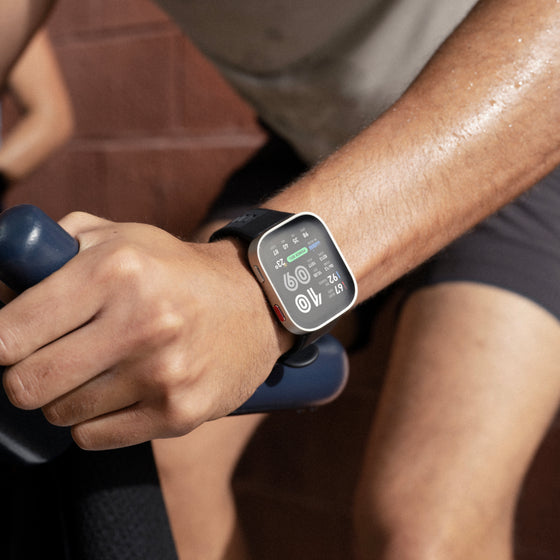
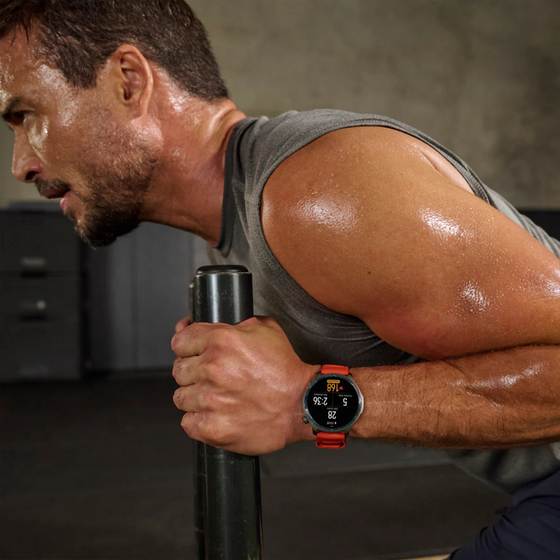
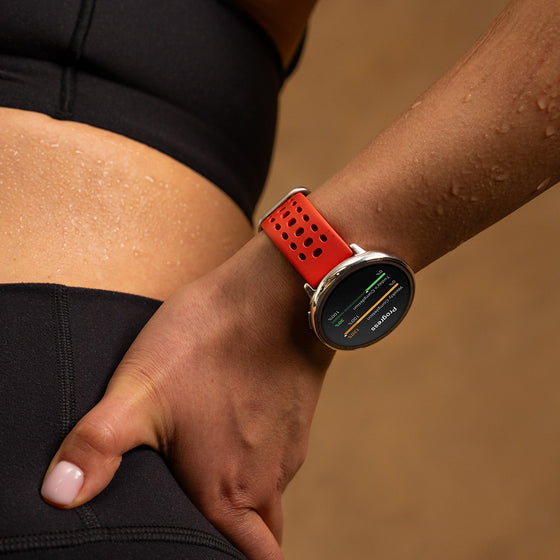
"Having a partner like Amazfit has genuinely improved the trajectory of my career," she says. "Being able to have a wearable and track these small little details that matter, that gives me that advantage. I'm a very data-oriented person by nature. Sometimes you need a wearable or you need data to actually tell you."
Sleep: The Most Important Thing You Can Do For Your Body
"I never get under eight hours of sleep. Ever. That's a hard rule for me."
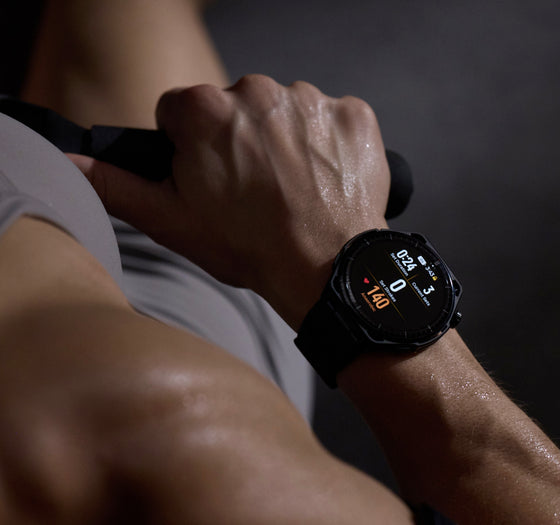
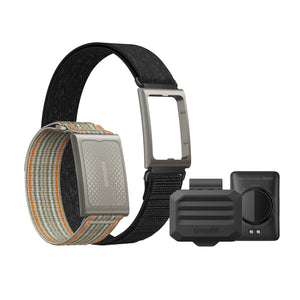
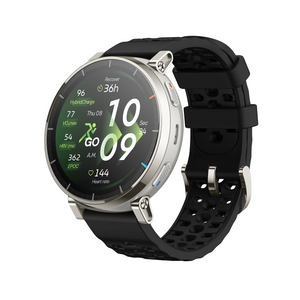
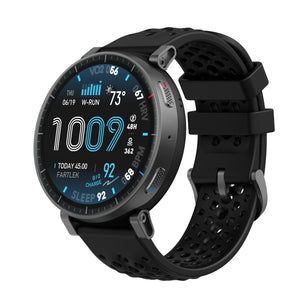
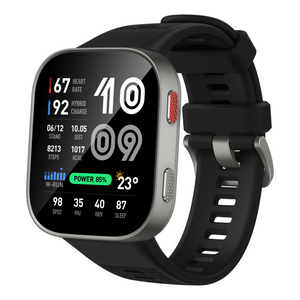
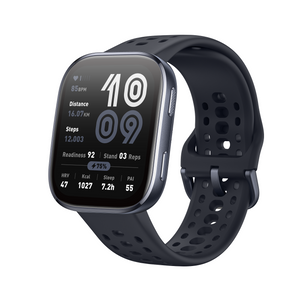
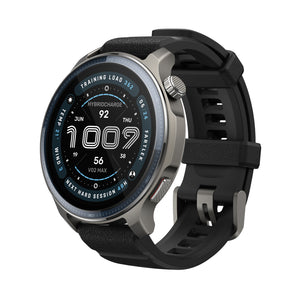
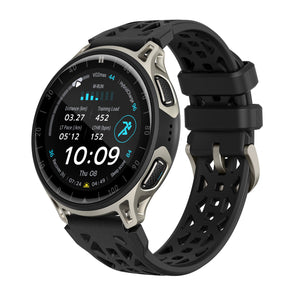
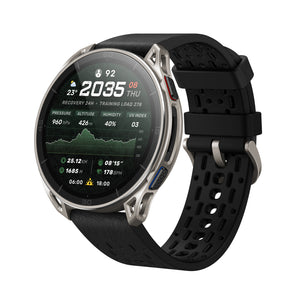
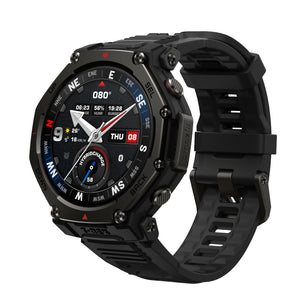
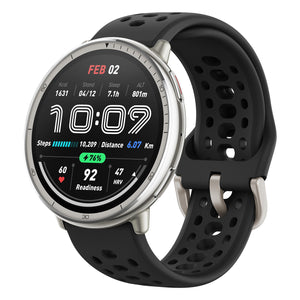
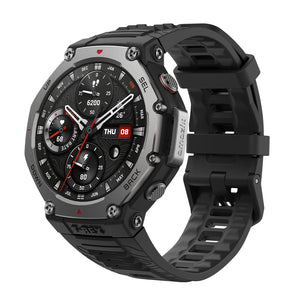
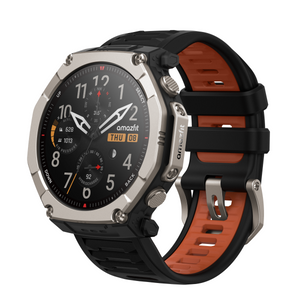
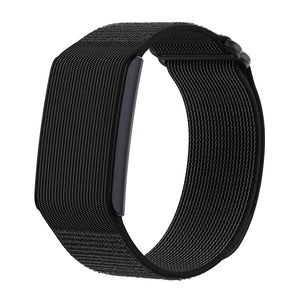
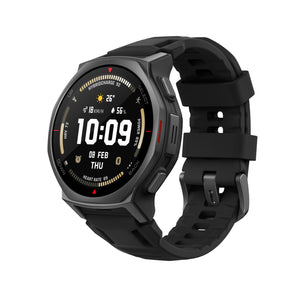
Sleep tracking has become particularly foundational to her routine, alongside monitoring training, heart rate, and how different nutritional choices affect her body. Just because you're in bed for 8 hours doesn't mean you had 8 hours of quality sleep. Having a device like the Active 3 Premium or the Helio Strap that measure deep sleep, REM sleep, and any kind of interruption during the evening gives her the tools to ensure she is recovering properly.
Gabby jokes that sprinters are some of the laziest athletes outside of competition. While they might look fast and explosive on the track, much of their time away from training is spent relaxing--and that means going to bed.
Can Runners Be Hybrid Athletes? Gabby Says "Yes"
The conversation around athleticism is changing. More people are embracing strength training, endurance sports, and hybrid fitness, moving away from the idea that being an athlete means excelling in just one discipline. This is especially true for sprinters and runners, because a hybrid training helps runners prevent injury, increase speed and power, and improve technical form.

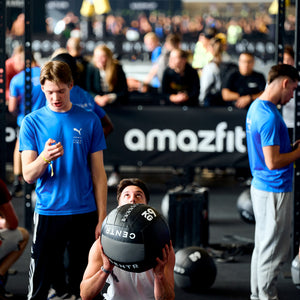
Although sprinting is her specialty, Gabby spends a significant time off the track hitting the weight room.
"I do consider myself somewhat of a hybrid athlete," she says, with a smile on her face. Lifting movements like squats, power cleans, hip thrusts, and step ups are all part of her regular routine. Being in the gym also makes her feel confident. The more her body can move in a functional manner that replicates the force she exerts when running, the more empower she'll feel when racing on the track.
The rule is simple: if you want to get faster and stronger as a runner, you need work on strength. Make running the priority, and make strength work the supporting character in everything you do.
Changing The Future Of Women's Sports
Growing up, Gabby Thomas remembers being told that pursuing a professional running career wasn't realistic. There wasn't enough money in the sport, so there was little reason to believe it could become a sustainable career. "I remember being a young girl, even being in high school, being in college and being told that you can't run professionally. There's nothing for you there," she explains.
That's all changing.
Today, she sees a different landscape taking shape, one where female athletes have more opportunities to build careers and where the next generation can see professional women's sports as something worth aspiring to. To help shape this future, she's involved in the Women's Sports Foundation and Athlos, where she's part-owner and helping women's sports receive greater visibility, investment, and opportunity.
She credits her mother to helping her believe a future in track and field was possible. Her mom would point towards other female athletes making waves in the space, like Allyson Felix and professional women's soccer and basketball players.
"Looking back, I'm like, okay, well, it's because I saw them and they were my role models and that's who I look up to. It means a lot to me to be someone that a young girl could look up to and see themselves in."
A more informed future for women in sport also means better wearable technology to support female athletes in understanding their bodies. Women's physiology introduces variables that can influence how athletes feel and train, including changes throughout the menstrual cycle. Having additional insight into those patterns can help women better understand their bodies and make more informed decisions about training and recovery.
"Having a wearable as a woman can help you guide your training decisions," she explains. As conversations around women's health and athletic performance continue to evolve, greater access to data and personalized insights can help women become more informed participants in their own training.
What's Next For Gabby Thomas In 2027
As the year closes and athletes are preparing for the 2027 season, Gabby is also entering a new chapter of her life. She recently got married, traveled on her honeymoon, and is thinking strategically towards the 2028 Olympic Games in Los Angeles.
One thing is for certain: her running career isn't over just because she already won a gold medal. The possibilities for improvement are endless, and her ability to reinvent herself as an athlete, choose that she wants to hone in on, and attack any event she competes in allows her to keep leveling up.
"I'm still getting better," she says.
We can't wait to follow Gabby along as she chases her next Olympic dream.