















After finishing second in Chamonix a year ago, Amazfit athlete Ben Dhiman returned to take the win at UTMB 2026.

The 2026 Ultra Trail du Mont Blanc (UTMB) began later than expected. Due to rainstorms and challenging weather in the mountains, race organizers delayed the start by two hours for safety reasons. This added another layer of consideration to an already demanding race for 2,400 runners toeing the line to run around Mont Blanc.
When runners finally left Chamonix, US-born, France-based ultrarunner and Amazfit athlete Ben Dhiman wasted no time on the course he already knew well. Ben has spent the last few years training in France and competing in some of the biggest mountain races in Europe. In 2024, he won MIUT 115k and Trail 100 Andorra, followed by victories at Grand Raid Ventoux 100K and Lavaredo 120K in 2025. He also earned podium finishes at Diagonale des Fous and SaintéLyon, and finished second at the 90K du Mont Blanc earlier this summer.
Despite his success in these races, his path towards a win at UTMB has been far from liner. He DNF'd in 2023 and 2024, then had a breakthrough race in 2025 placing second over the 163-kilometer course. This year, he came back, moved into the lead around 40 kilometers into the race and never gave it back.
Read below to learn more about his training, his race data, and what it took to become the 2026 UTMB champion.

The Work Before Race Day
Ben Dhiman didn’t arrive in Chamonix hoping to find another level on race day. Much of the work had already been done.
His preparation followed a similar structure to 2025, built around three consecutive five-to-six-week training blocks, but the volume behind them changed considerably. January alone included 107 hours of aerobic training, followed by 95 hours in February and 105 in March, the biggest aerobic winter of his career.
Over his final 12 weeks of preparation, Ben increased his running volume by roughly 30% compared with the same period in 2025. The key wasn’t simply training harder. He cut his exposure to intensity by around half, allowing him to continue building volume deep into the final six weeks rather than backing away from the workload.

A few days before the race, Ben explained the thinking behind that shift during a podcast interview with fellow Amazfit athlete Rod Farvard at the Amazfit Hub. Consistent high volume, he said, had shown him that he didn't need to run particularly fast in training to race fast. By reducing his exposure to threshold intensity, he could build more volume and, importantly, more durability for the demands of an ultra. It was a tradeoff he was willing to make: less emphasis on being able to run fast uphill, and more on becoming what he described as a “diesel engine” capable of performing over longer and longer distances.
July offered a good picture of what that looked like. Dhiman accumulated roughly 50,000 meters of elevation gain across the month, with weeks built around five-to-six-hour mountain runs, longer efforts on rolling gravel, easy running, uphill treadmill sessions and one or two strength sessions.
In the final weeks before the race, that preparation moved onto the trails around Chamonix. One of his last major efforts took him 75.17 kilometers from Chamonix to Courmayeur, climbing 4,519 meters in 8:18:14 with an average heart rate of 134 bpm.


Beyond another long day in the mountains, it gave Ben time on the terrain he would soon be racing and one final opportunity to understand how his body was responding before the taper began.
That mattered for a race where simply being fit is only part of the equation. Ben identified deep fatigue beyond 20 hours as the hardest challenge to prepare for, the point where, as he puts it, “deep fatigue alters reality and makes everything challenging.” His answer was less about a specific mental technique and more about repeatedly training with a high chronic load, becoming accustomed to making decisions and continuing to move well while tired.
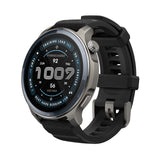
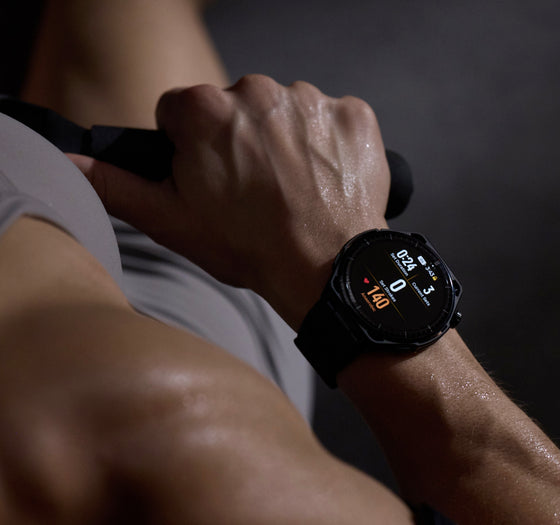
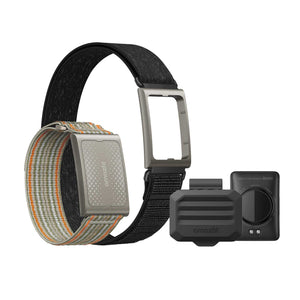
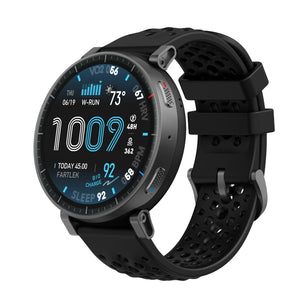
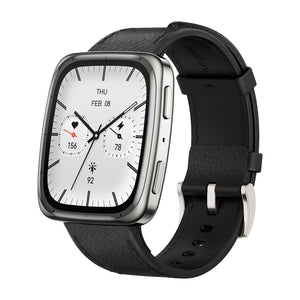
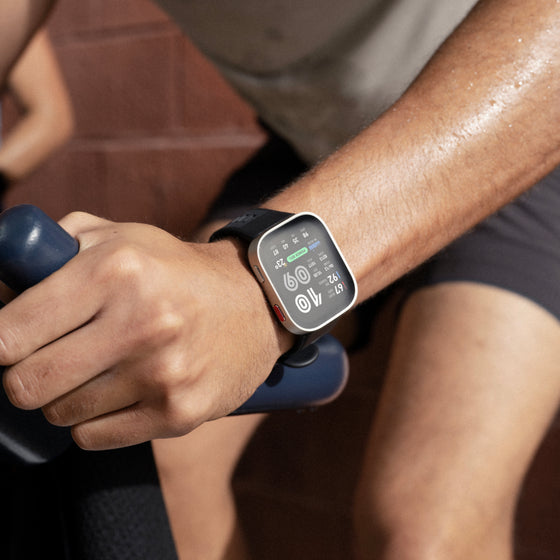
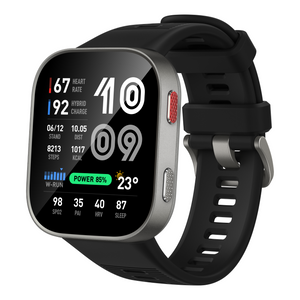
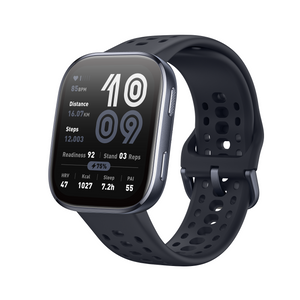
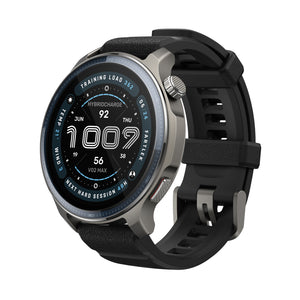
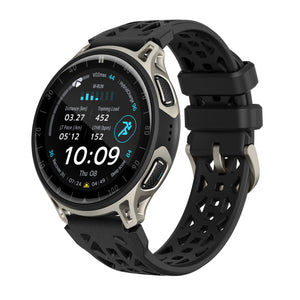
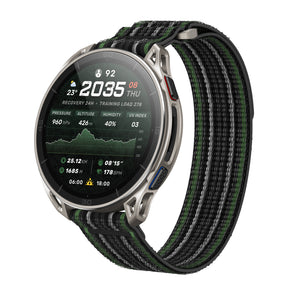
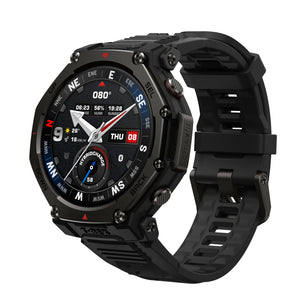
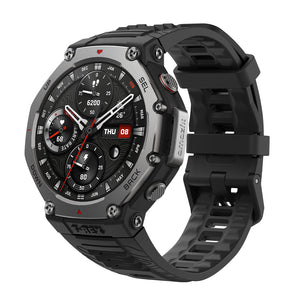
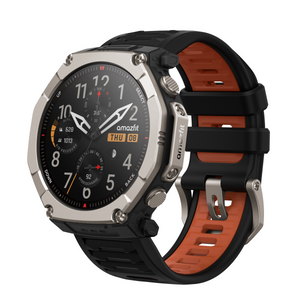
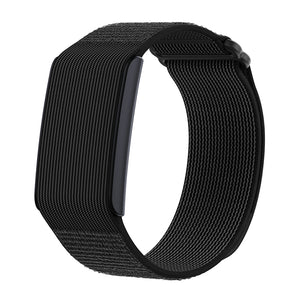
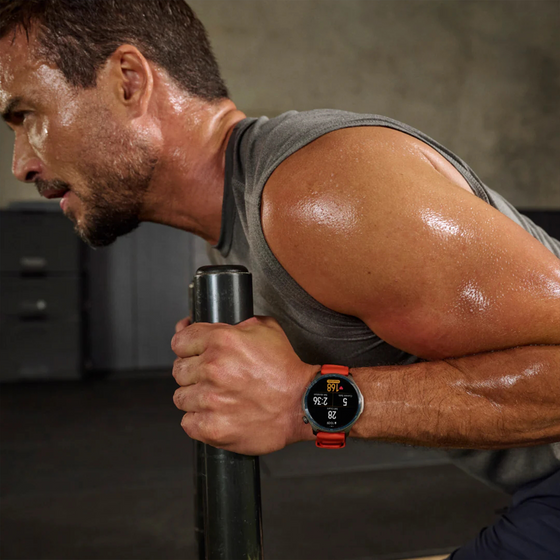
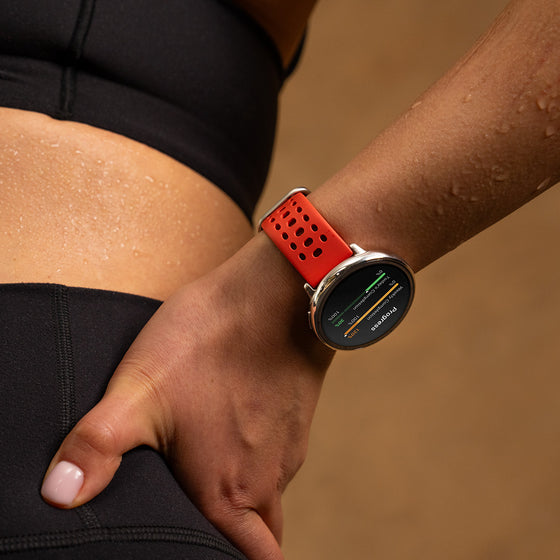
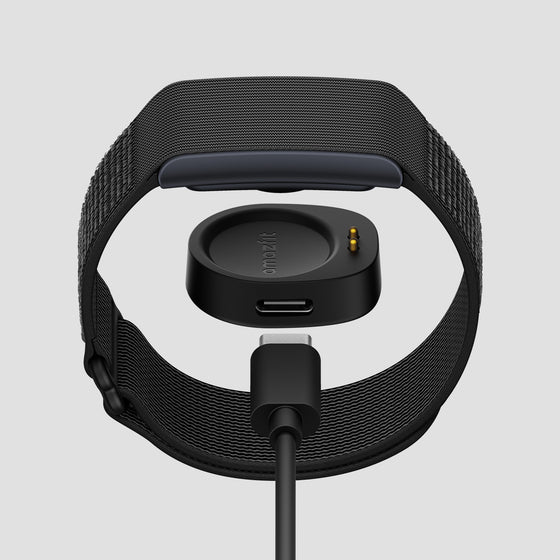
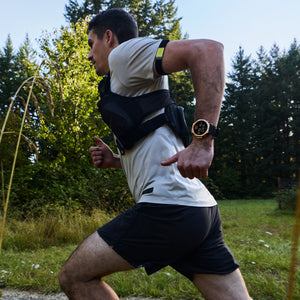
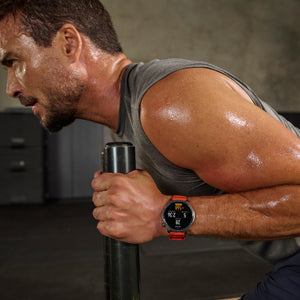
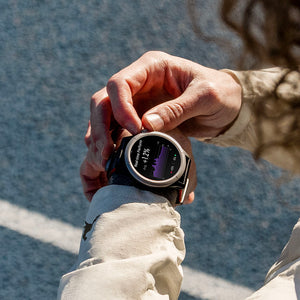
Throughout the build, Ben used the Amazfit Cheetah 2 Ultra alongside the Helio Armband to follow his training and recovery, giving him a consistent view of the workload accumulating across those weeks. He carried the same setup into race day.
In Chamonix before the start, Ben and Rod sat down to talk more about the training behind the race, what they had learned from previous attempts and how each planned to approach more than 100 miles around Mont Blanc.
His goal for Chamonix was simple, even if executing it was anything but: use the fitness he had built, lean on his experience and still be strong when the race became difficult. After months of training for exactly that moment, he was.
How the Race Unfolded

Over 173.6 kilometers around Mont Blanc, there are plenty of opportunities for a race to change. Long climbs give way to technical descents, weather moves through the mountains, and decisions made early can matter many hours later.
By the time Ben moved to the front, he had settled into his own rhythm. And while the effort recorded by his Cheetah 2 Ultra became more consistent, the gap behind him continued to grow.

Even beyond 100 kilometers, Ben wasn't simply protecting his position. He continued to build on it. There was no single attack that decided the race; the advantage accumulated over hours of consistent running. No single number explains a performance like this. But together, the data and the progression of the race show how Ben approached it: he went to the front early without racing like the finish was close. With more than 130 kilometers still ahead, he found his pace, trusted it and kept moving away.

Back to Chamonix
A few days earlier, Ben had described UTMB as his “final exam.” This was his fourth year returning to the race, and he saw it as the culmination of everything the previous three attempts had taught him. Eighteen hours, 16 minutes and 29 seconds after leaving Chamonix, he had his answer.
Ben crossed the finish line in Chamonix in 18:16:29, earning his first UTMB victory and the biggest result of his career to date.
For Amazfit, being a training partner goes well beyond race day. It means building technology athletes can rely on throughout the full process, from understanding training load and recovery to managing effort across long days in the mountains. Ben has used the Cheetah 2 Ultra and Helio Armband throughout that process, giving him a consistent view of his training, recovery, and performance as he prepared for Chamonix.
The work, the decisions and ultimately the win belong to Ben, and we could not be prouder to see it come together here. We’re proud to support him with technology he trusts as part of his training and racing, and to continue building tools that help athletes like Ben better understand their performance as they pursue what comes next.
Congratulations, Ben, on an incredible race and a well earned win in Chamonix. We’re honored to be part of the journey.